October 24, 2026
Investing in professional window films transforms driving comfort, protects vehicle interiors from harsh ultraviolet radiation, reduces ambient cabin temperatures, and elevates overall exterior aesthetic appeal. Beyond enhancing privacy and visual style, high-grade solar control films block intense solar heat and filter harmful ultraviolet rays that fade leather upholstery, crack vinyl dashboards, and strain air conditioning units. However, vehicle owners often wonder about the true operational lifespan of window films and how long installed coatings will maintain crystal-clear visibility before bubbling, purple discoloration, or edge peeling begins. While premium window films are engineered to endure years of constant sun exposure, no window film lasts indefinitely. Understanding the underlying factors that govern film longevity empowers car owners to preserve their investment, select superior materials, and know precisely when replacement becomes necessary.
The operational lifespan of automotive window film depends on a complex interplay of material composition, atmospheric exposure, installation precision, and ongoing surface maintenance. Lower-tier dyed films often succumb to solar heat and ultraviolet degradation within a few short years, whereas advanced carbon, metallic, and ceramic film formulations maintain thermal protection and color stability for well over a decade. Furthermore, proper surface preparation, precision edge trimming, and curing protocols dictate how strongly pressure-sensitive adhesives bond to interior glass surfaces. When window films begin to lift along glass margins, form unsightly air pockets, or obscure rear vision, ignoring these signs compromises visual clarity and driving safety. Exploring how film materials, environmental stresses, professional installation techniques, and proper care routines dictate window film longevity reveals how vehicle owners can maximize total solar protection and maintain flawless aesthetic appeal.
Evaluating Film Material Formulations and Degradation Rates
Evaluating different window film material classifications provides clear insight into why certain automotive films outlast others by many years. Traditional dyed films rely on heat-absorbing organic dyes sandwiched between protective polyester layers to block visible light and solar glare. Over time, intense ultraviolet radiation breaks down these organic dye molecules, causing dark tinted glass to fade into an unsightly purple shade while losing its original heat-blocking capabilities.
Conversely, advanced carbon and nano-ceramic films utilize non-organic, non-fading structural particles embedded directly into polyester layers. Carbon particles create a rich, matte finish that resists fading, while nano-ceramic technology blocks high percentages of infrared heat without interfering with electronic device signals, satellite navigation, or cellular reception. Contracting a certified car window tinting service ensures that vehicle owners receive advanced carbon or ceramic film options engineered to resist bubbling, cracking, and fading far longer than entry-level dyed alternatives.
Analyzing Environmental Factors and Sun Exposure Intensity
Analyzing local atmospheric conditions and daily vehicle parking habits highlights why geographic location heavily influences window film lifespans. Vehicles parked continuously outdoors in hot, sunny climates experience intense, unrelenting ultraviolet radiation and extreme cabin heat accumulation. Daily thermal expansion and contraction cycles place immense physical stress on the adhesive layers bonding window film to interior glass, accelerating adhesive breakdown and edge lifting over time.
Furthermore, exposure to harsh winter road salt, high coastal humidity, and atmospheric pollution can degrade film edges along window seals if moisture penetrates perimeter margins. Garaging vehicles, using reflective windshield sunshades, and parking in shaded areas significantly reduce daily thermal stress on glass surfaces. Partnering with a specialized car window tinting service guarantees that film formulations are specifically matched to regional climate intensity, maximizing total heat rejection while preserving adhesive integrity across changing seasons.
Executing Professional Installation Techniques and Surface Preparation
Executing thorough glass prep work and precise installation techniques prevents premature film peeling, bubble formation, and edge contamination. Achieving an unbroken, long-lasting adhesive bond requires removing every trace of dust, manufacturing grease, finger oils, and old adhesive residue from interior glass surfaces before film application. Even microscopic dust particles trapped beneath newly installed film create tiny air pockets that weaken adhesive bonds and expand into unsightly bubbles under hot sun exposure.
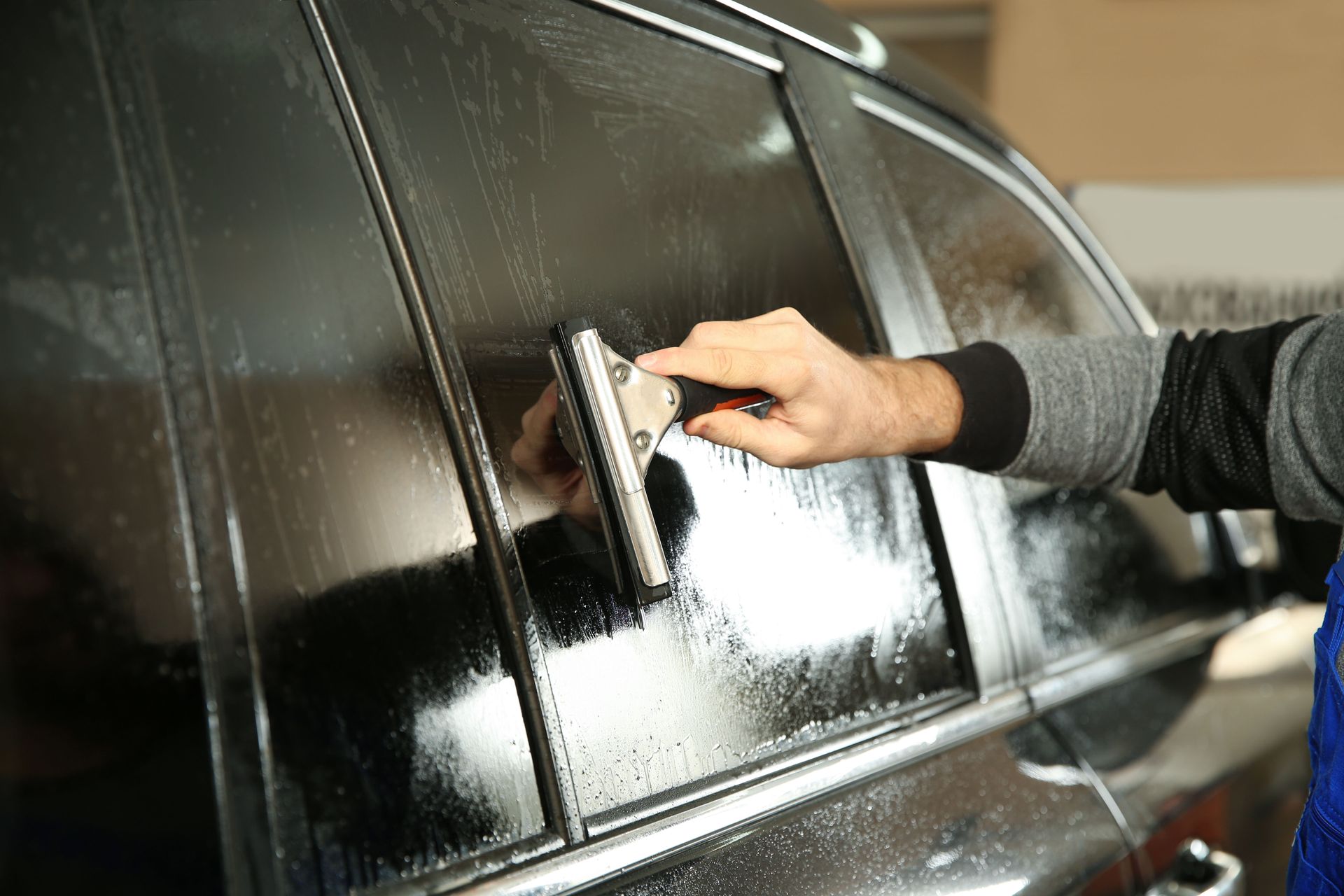
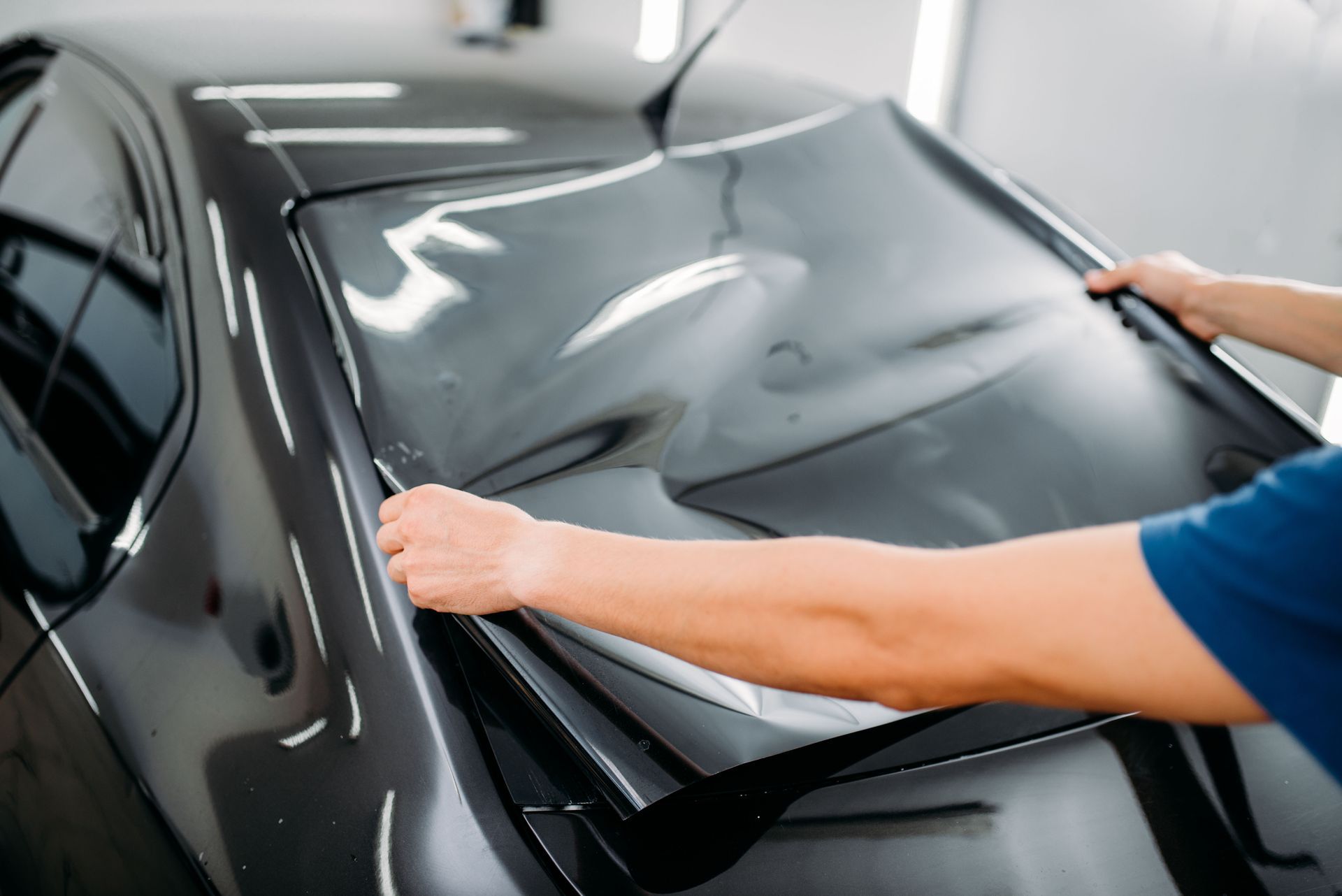
Professional technicians utilize specialized squeegees, slip solutions, and heat guns to shrink, shape, and bond window films seamlessly against curved glass contours. Master installers also trim film edges close to glass borders, preventing window seals from catching or scraping film margins during daily window rolling cycles. Utilizing an established car window tinting service ensures that every window panel receives meticulous surface cleaning, precision hand-trimming, and complete moisture extraction, eliminating premature edge peeling completely.
Examining Global Industry Growth and Solar Protection Trends
Examining global automotive window film industry statistics illustrates the rapidly growing demand for high-performance solar protection and optical clarity among vehicle owners worldwide. As consumer awareness regarding skin cancer risks, interior upholstery preservation, and electric vehicle battery efficiency grows, vehicle owners are increasingly prioritizing high-grade ceramic and carbon window films over basic cosmetic options. Advanced solar films reduce cabin heat accumulation, significantly lowering air conditioning usage and preserving energy reserves across modern vehicles.
Understanding international market metrics emphasizes how vital solar film technology has become within the modern automotive industry. According to Grand View Research, the global automotive tinting film market size is projected to grow from USD 8.7 billion in 2026 to USD 14.7 billion by 2033. Engaging a reputable car window tinting service grants car owners access to cutting-edge nano-ceramic innovations that reflect this global shift toward long-lasting thermal efficiency and superior optical performance.
Adhering to Curing Guidelines and Post-Installation Care
Adhering strictly to initial curing protocols and long-term cleaning guidelines preserves adhesive strength and prevents accidental surface scratching. Immediately following professional application, small amounts of slip solution remain trapped beneath the film layer, giving glass a slightly hazy or streaky appearance. Allowing newly tinted windows to cure undisturbed under direct sunlight allows trapped moisture to evaporate, locking pressure-sensitive adhesives firmly onto glass surfaces.
Rolling down power windows prematurely before curing completes can catch wet film edges along rubber weather seals, causing immediate peeling, creasing, and corner lifting. Furthermore, homeowners must avoid cleaning tinted glass with harsh, ammonia-based glass cleaners, as ammonia dissolves protective topcoats and weakens underlying adhesive bonds over time. Relying on an expert car window tinting service provides vehicle owners with clear post-care instructions and ammonia-free cleaning recommendations, ensuring that installed window films remain pristine, smooth, and secure for years.
Maintaining comfortable, stylish, and energy-efficient vehicle interiors relies heavily on selecting high-grade automotive window films and ensuring expert installation standards. By understanding the distinct lifespan differences between dyed, carbon, and ceramic materials, vehicle owners can choose solar protection that withstands intense ultraviolet radiation and regional climate stress without fading or peeling. Respecting post-installation curing protocols, avoiding ammonia cleaners, and garaging vehicles whenever possible significantly extends film longevity and preserves optical clarity.
At Shades of Gray Window Tinting, we are deeply committed to elevating your driving experience, protecting your vehicle's interior investments, and delivering superior car window tinting service solutions through master craftsmanship, industry-leading nano-ceramic films, and dedicated customer care. Our team of certified tinting specialists brings extensive technical expertise, cleanroom application environments, and meticulous attention to detail to every custom window film installation, old film removal, ceramic heat rejection package, and privacy film application project we execute across our community. We take immense pride in evaluating your unique driving needs, analyzing solar heat rejection goals, inspecting glass surfaces, and applying high-performance window films that bring total cabin comfort, glare reduction, and enhanced aesthetic appeal to your vehicle. Contact us today to schedule your comprehensive window tinting consultation and discover the true value of working with dedicated local solar control specialists.