October 8, 2026
Installing dark film on your vehicle windows improves interior privacy, blocks harsh glare, and keeps your cabin noticeably cooler during hot weather. However, automotive window film regulations vary widely depending on regional jurisdictions and local traffic enforcement standards. Understanding how darkness limits, reflectivity rules, and medical exemptions are defined ensures that your vehicle remains fully compliant with regional motor vehicle codes.
Understanding Visible Light Transmission Requirements
Visible Light Transmission, commonly abbreviated as VLT, is the fundamental percentage scale used by law enforcement agencies to regulate automotive window film darkness. VLT indicates the exact percentage of visible ambient light that can pass through both the film layer and your car's factory glass combined. A lower VLT percentage means a significantly darker tint, while a higher rating allows light into your cabin. Hiring a professional car window tinting service helps you select glass treatments that deliver excellent sun reduction while maintaining strict compliance with legal VLT thresholds across every window pane.
Understanding VLT measurement is critical because factory auto glass naturally comes with a subtle tint straight from the manufacturer, typically blocking around seven to fifteen percent of ambient light on its own. When you apply an aftermarket film over factory glass, the two ratings multiply together, resulting in a net VLT that is noticeably darker than the film's rating alone. For example, applying a thirty-five percent film onto factory glass that already blocks ten percent of light yields an effective VLT of around thirty-one percent, which could inadvertently cross below your state's legal threshold. Professional installers utilize calibrated digital tint meters to test your baseline glass density before application, ensuring the final combined rating stays safely within legal parameters. Working with a dedicated window tinting service prevents costly measurement errors, guarantees clear night visibility, and protects you from receiving non-compliance equipment citations on the road.
Comparing Front, Rear, and Back Window Limits
State motor vehicle statutes divide window darkness regulations based on specific window locations across your passenger car or light truck. Front side windows, which sit adjacent to the driver and front passenger, face the strictest regulation to preserve clear visual identification and lateral driver visibility at night. Rear side windows and the back windshield often allow darker VLT options, allowing drivers to increase backseat privacy and cargo security without breaking traffic codes. According to Grand View Research, the global automotive tinting film market size was valued at USD 8.1 billion in 2025. Consulting an established car window tinting service ensures your vehicle maintains accurate, multi-pane VLT configurations tailored to regional regulations.
Beyond individual pane restrictions, state regulations frequently distinguish between standard sedans and larger multi-purpose vehicles like SUVs, crossovers, and vans. While passenger sedans often maintain uniform VLT limits across all rear glass, light trucks and SUVs are routinely permitted to carry much darker tint behind the front row to accommodate factory privacy glass options. Additionally, windshield tinting is heavily restricted across nearly all state jurisdictions; most vehicle codes forbid full windshield tint while allowing non-reflective shade bands along the top AS-1 line to block glare. A certified window tinting service stays up to date on these specific legislative distinctions, ensuring your vehicle receives high-performance solar protection that fully complies with state statutes. Relying on professional guidance protects you from non-compliance fines, safeguards your passengers from UV exposure, and delivers balanced visual aesthetics across every window surface.
Navigating Reflectivity Restrictions and Mirror Rules
In addition to darkness limitations, automotive tinting laws strictly restrict how reflective or mirror-like window films can appear from the outside. Excessive reflection off side glass can generate dangerous solar glare for surrounding drivers during bright daytime driving conditions. Regional laws usually restrict window reflectivity to a low percentage, ensuring that metallic or sputtered films do not exceed standard factory glass glare levels. Furthermore, applying dark film to your rear windshield typically requires your vehicle to feature fully functional dual exterior side mirrors for safe rearward visibility. Working with a reputable car window tinting service helps you navigate film materials, ensuring you select high-performance films that control heat without exceeding reflective limits.
Specular reflection regulations vary by jurisdiction, with many states capping allowed reflectivity at twenty percent or requiring that window treatments be entirely non-reflective. Metallic films, while efficient at heat rejection, rely on metallic particles that create a mirror-like finish that can dazzle oncoming traffic under direct sunlight. To achieve exceptional solar energy rejection without violating glare standards, modern film technology utilizes non-conductive ceramic particles or advanced carbon composite layers that absorb heat instead of reflecting light. An experienced car window tinting service can evaluate your vehicle's factory glass and recommend specialized ceramic films that maintain a sleek, factory appearance while meeting strict reflectivity compliance. Choosing legally compliant, non-reflective materials prevents glare hazards, keeps your vehicle within statutory limits, and guarantees exceptional optical clarity without sacrificing interior heat reduction.
Qualifying for Medical Tint Exemptions
Drivers or frequent passengers with medical conditions such as lupus, sun sensitivity, extreme photosensitivity, or severe albinism can often apply for formal medical tint exemptions. These state-issued medical waivers allow qualifying vehicle owners to install darker window films than standard traffic statutes permit on front side glass and windshields. To secure an official exemption, you must submit formal documentation signed by a licensed physician or dermatologist to your state department of motor vehicles. Once approved, carrying your official exemption credential in your vehicle prevents unnecessary citations during routine traffic stops. Utilizing a knowledgeable window tinting service ensures that custom installations performed under medical waivers meet precise optical clarity guidelines while providing vital UV protection.
Avoiding Non-Compliance Penalties and Inspection Failures
Operating a vehicle with illegal window darkness or non-compliant reflective film can quickly result in costly traffic violations, standard equipment repair orders, or state safety inspection failures. Traffic enforcement officers utilize portable electronic VLT meters during roadside stops to verify window film darkness on the spot. If your glass measures darker than legal guidelines, you may be required to strip off the non-compliant film and pay substantial court fines. Stripping improperly installed film can damage underlying rear defroster lines and glass surface coatings if done incorrectly. Booking your application with a certified car window tinting service protects your investment, giving you full peace of mind that your vehicle will pass inspection effortlessly.
Selecting Professional Installation for Guaranteed Compliance
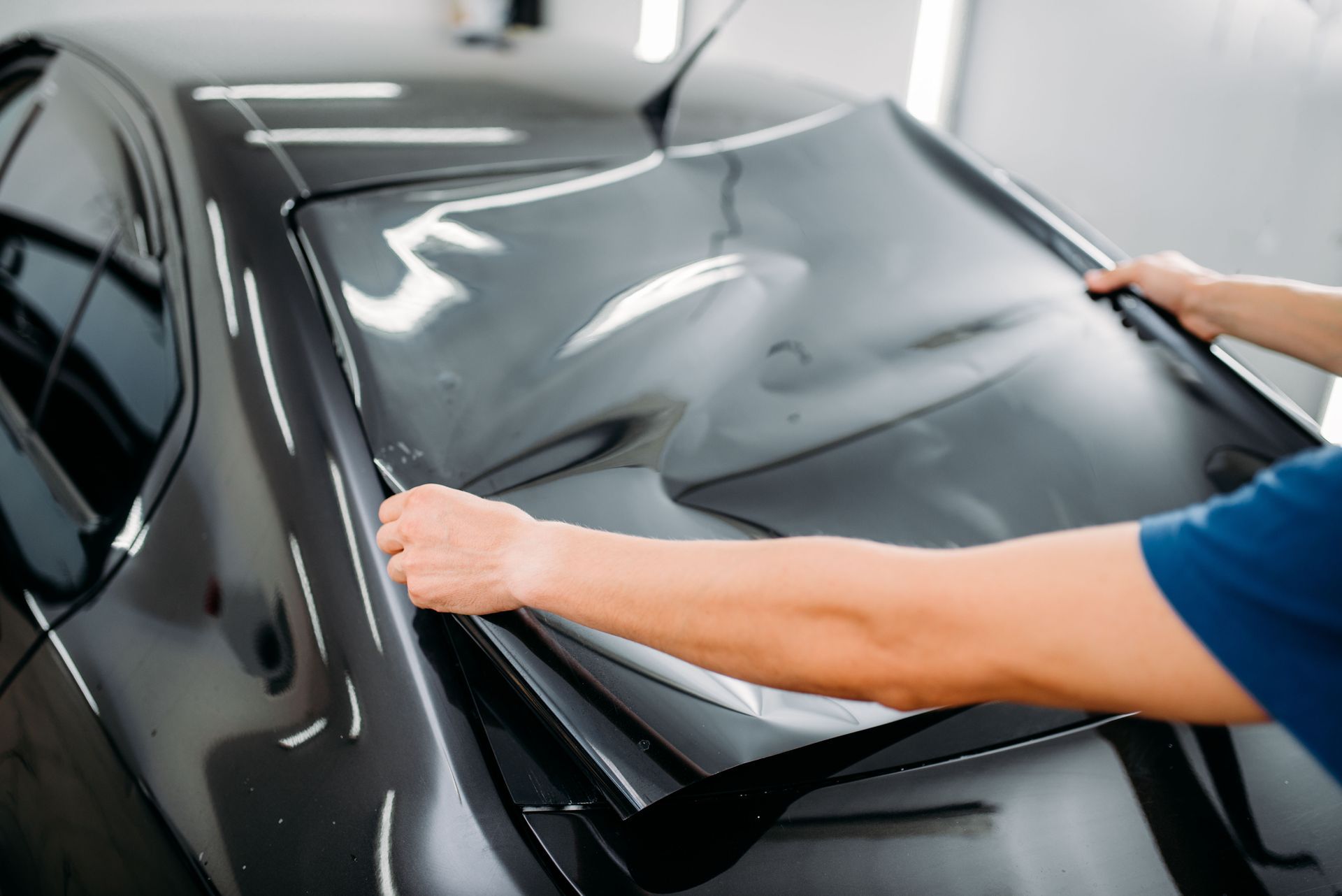
Achieving clean optical clarity and proper legal compliance requires precise film cutting, professional heat shrinking, and accurate VLT selection. High-grade ceramic and carbon window films provide maximum infrared heat rejection and UV block without needing dark, illegal tint shades that compromise nighttime driving safety. Professional installers use digital VLT testing equipment prior to application, verifying that the combined density of your factory glass and chosen film stays within statutory boundaries. Choosing a full-service car window tinting service eliminates installation errors, prevents adhesive bubbling, and ensures long-term warranty coverage. Partnering with experienced technicians guarantees your car stays stylish, cool, and fully legal wherever you travel.
Staying informed about regional window tinting laws ensures your vehicle remains safe, stylish, and compliant on every drive. Investing in top-tier window films allows you to enjoy maximum heat rejection, UV shielding, and enhanced privacy without risking traffic tickets. For expert window film applications, paint protection film, ceramic coatings, and custom vehicle styling, trust the experienced team at Shades of Gray Window Tinting.