November 16, 2026
Modifying automotive glass is a popular way to improve aesthetics and cabin comfort. However, drivers frequently express concerns regarding how aftermarket films affect electronic transmissions, particularly cellular connectivity, GPS tracking, and modern 5G networks. Navigating the performance differences between metallic and nano-ceramic films allows vehicle owners to preserve high-speed digital connectivity without compromising heat rejection, optical clarity, or passenger safety.
Contextualizing Electromagnetic Propagation
Wireless automotive connectivity relies on undisturbed radio-frequency propagation passing through laminated and tempered automotive glass. Modern vehicles operate as mobile digital hubs, exchanging data packets continuously with cellular towers, overhead satellite constellations, and short-range roadside beacons. When protective window treatments incorporate conductive metallic strata, they inadvertently construct an attenuated Faraday cage that reflects or absorbs incoming electromagnetic waves. Understanding how microscopic barrier materials interact with RF transmissions empowers vehicle owners to select glass films that preserve seamless wireless communication across all connected devices.
Analyzing Protective Films
Applying protective films across automotive windows serves functional purposes that extend far beyond exterior styling. These treatments reduce incoming solar radiation, eliminate blinding glare, and safeguard interior leather and plastics from premature degradation. According to The Skin Cancer Foundation, almost every state allows clear window film that can block 99 percent of ultraviolet light in a car. Scheduling a professional car window tinting service ensures these multi-layered barriers defend passengers against harmful UV rays while keeping vehicle interiors cooler during summer months.
Comparing Material Formulations
Evaluating film formulations reveals distinct manufacturing methods designed around specific operational priorities. Basic dyed polyester absorbs light for privacy, whereas metallized films embed vaporized aluminum particles to reflect solar energy. Hybrid products combine dyed layers with metallic coatings to balance production expenses and thermal defense. However, modern nano-ceramic options integrate nonconductive ceramics to block infrared heat without relying on metal flakes, providing an optimal compromise between high solar rejection and uncompromised digital signal transmission.
Reviewing Statutory Limits
Navigating tinting laws requires understanding state-specific visible light transmission standards for passenger vehicles. Regulatory agencies mandate strict VLT minimums to preserve clear vision for motorists and maintain exterior visibility for law enforcement. Front side glass, rear doors, and back windows often fall under distinct legal brackets. Working with a compliant car window tinting service ensures your vehicle adheres to local statutes, preventing costly equipment citations and forced film removal.
Executing Professional Application
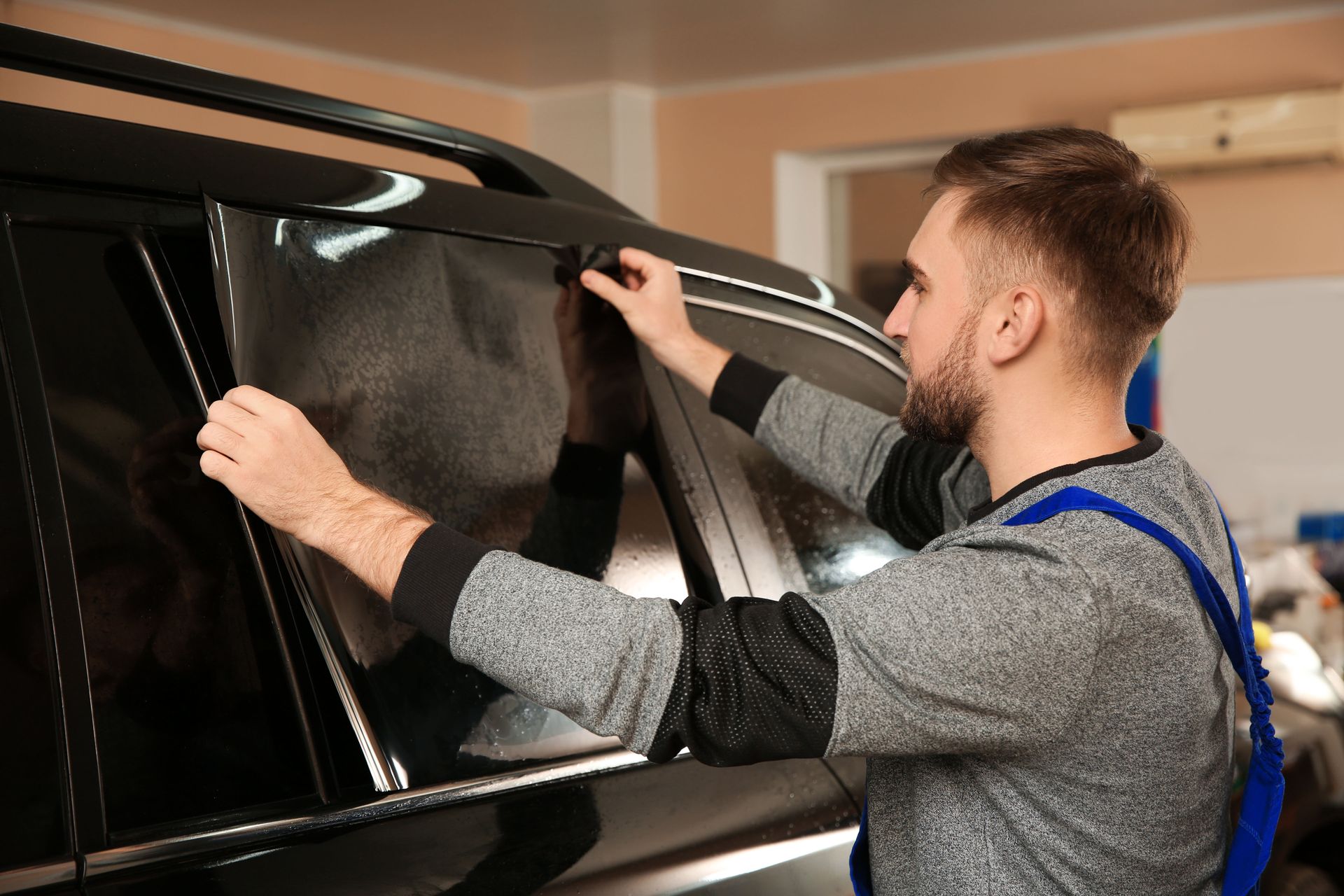
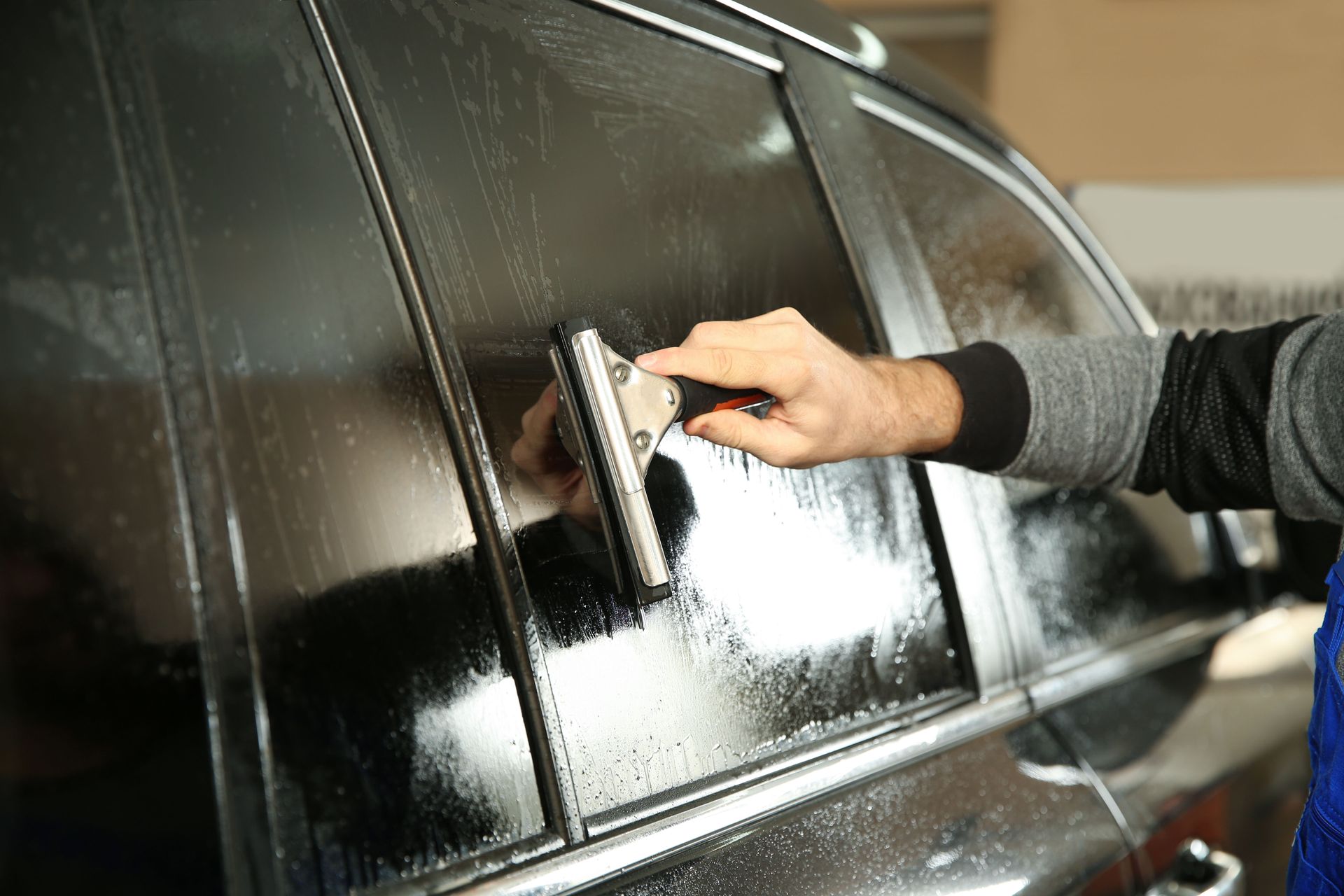
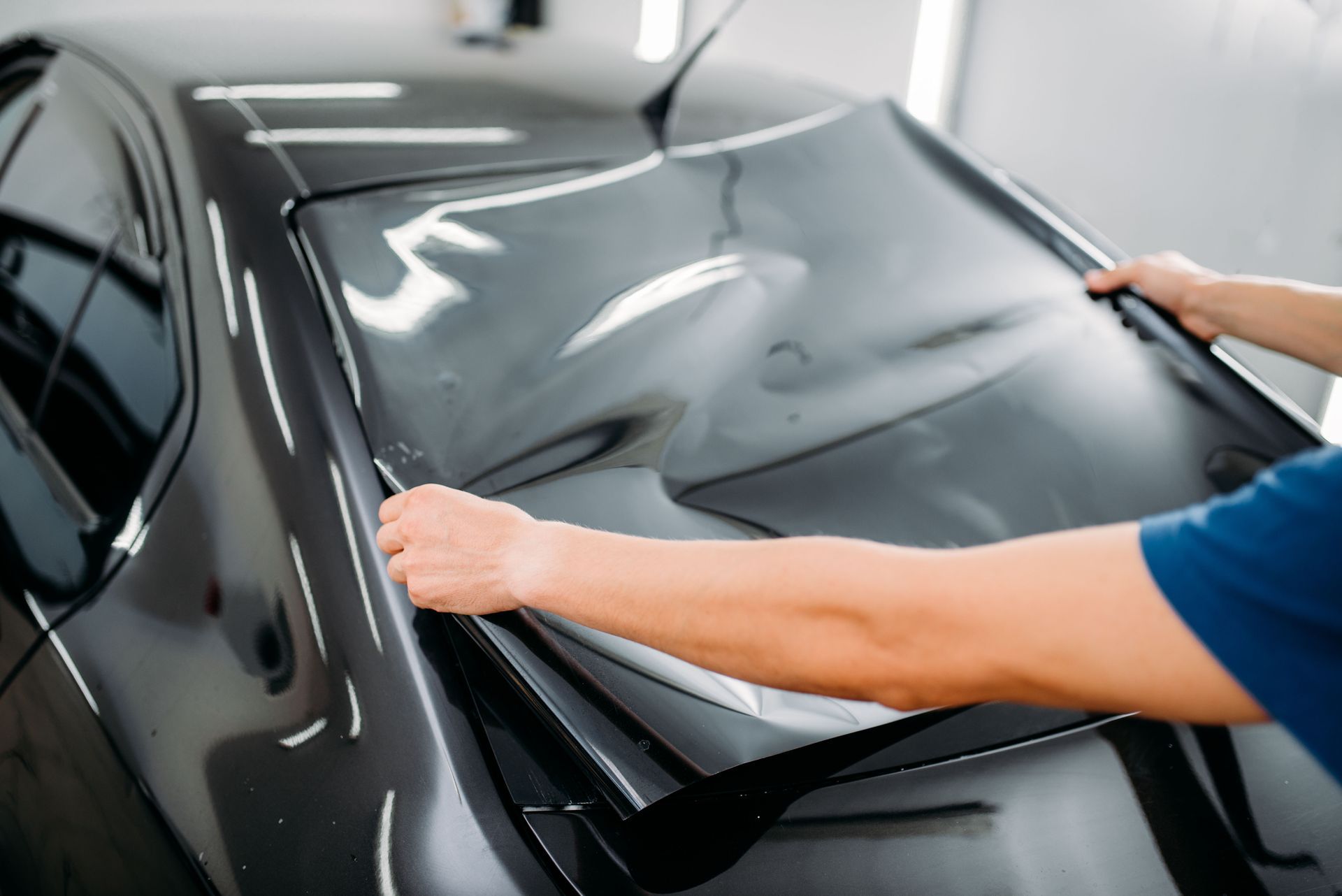
Installing window film requires rigorous cleanroom protocols to prevent airborne dust, lint, and hair from ruining the adhesive layer. Installers hand-trim or computer-plot precise patterns before using heat guns to shrink the film to fit complex glass curvature. Squeegees purge the mounting slip solution to anchor the pressure-sensitive adhesive directly against the glass. Allowing proper curing over several days ensures lasting adhesion without bubbles, edge lifting, or optical distortion.
Maximizing Cabin Comfort
Regulating interior temperatures diminishes constant reliance on mechanical air conditioning systems, improving fuel economy and battery longevity in electric vehicles. In addition to reducing fuel consumption, filtering harsh exterior illumination eases eye strain during daily commutes. Automotive films also provide structural containment during traffic collisions, bonding shattered shards together to prevent glass splinters from injuring passengers.
Propagating Electromagnetic Waves
Wireless communication devices rely on electromagnetic waves that propagate across distinct radio frequency spectrums. Cellular handsets, navigation receivers, and connected vehicle transceivers transmit data via specific frequencies and wavelengths. While longer radio waves travel extensive distances and penetrate buildings, they remain vulnerable to reflection or attenuation when encountering conductive materials. Understanding these physical wave dynamics clarifies why dense barrier materials obstruct modern wireless reception.
Identifying Obstructive Materials
Conductive surfaces create natural electromagnetic barriers that scatter incoming and outgoing radio frequencies. When film layers contain conductive metals like aluminum, copper, or nickel, they act as an impromptu Faraday cage around the vehicle passenger compartment. Non-conductive compounds like titanium nitride or ceramic nanoparticles allow electromagnetic radiation to pass without deflection. Selecting a non-metallic car window tinting service prevents unwanted wave disruption, keeping digital communications running smoothly.
Evaluating Frequency Ranges
Wireless standards utilize diverse frequency bands that respond differently to physical barriers. Traditional cellular voice networks operate across lower frequency ranges between 800 MHz and 1900 MHz, which offer strong penetration capabilities through non-metallic obstacles. Conversely, dedicated satellite navigation bands operate at higher frequencies within the L-band spectrum. Because shorter electromagnetic waves struggle to penetrate dense obstacles, choosing non-interfering window films is essential for reliable reception.
Examining Metallized Composition
Metallized window films utilize vacuum-sputtered metal coatings deposited over clear polyester backings. These reflective metal layers deliver exceptional heat rejection and sun protection in high-temperature climates. However, this microscopic metal grid reflects both sunlight and wireless frequencies, introducing unintended side effects. Drivers seeking thermal protection often find that metallic films inadvertently degrade in-vehicle electronics and mobile communications.
Attenuating Cellular Signals
Scattering mobile radio frequencies creates dropped phone calls, delayed text messaging, and erratic voice quality inside moving vehicles. When metal particles deflect incoming transmission waves, mobile handsets must increase transmitter output to maintain tower connections. This constant power draw accelerates battery drain and produces patchy data connectivity. Commuters relying on a dependable car window tinting service often select non-conductive ceramic films to eliminate these frustrating dead zones.
Disrupting Satellite Navigation
Receiving real-time coordinates requires line-of-sight satellite reception through vehicle windshields and side glass. Metallized coatings scatter incoming satellite pings, producing delayed position recalibrations, inaccurate map placement, and dropped turn-by-turn guidance. In dense metropolitan corridors where buildings already block line-of-sight signals, metallic films exacerbate navigation loss. Upgrading to non-metallic barriers guarantees steady satellite tracking across rural and urban landscapes.
Blocking High-Frequency Bands
Deploying 5G networks introduces high-frequency millimetre-wave bands engineered to provide rapid data transfer and minimal network latency. Because these high-frequency wavelengths are short, they cannot easily penetrate conductive objects or metallic window treatments. Applying metallic films causes significant data buffering, latency spikes, and frequent drops to slower 4G bands. Choosing an advanced car window tinting service ensures your mobile hardware utilizes 5G speeds without signal degradation.
Formulating Nano-Ceramic Solutions
Nano-ceramic technology represents a major evolution in solar control, utilizing nonconductive ceramic nanoparticles to filter solar energy. Chemical manufacturers mill these particles down to the atomic scale, dispersing them across stable polyester layers. This molecular arrangement blocks targeted heat spectrums while allowing radio frequencies to pass unimpeded. Drivers enjoy superior heat rejection without the connectivity drawbacks associated with metal-sputtered window treatments.
Preserving Full Connectivity
Maintaining uninterrupted wireless reception has become essential for hands-free calling, emergency telematics, and vehicle tracking systems. Nonconductive ceramic coatings allow cellular, GPS, and ultra-high-frequency radio waves to travel freely into the cabin. Smartphone navigation apps and dashboard diagnostics continue working without dropped data streams. Selecting a modern car window tinting service ensures flawless electronic connectivity across all mobile devices.
Outperforming Outdated Coatings
Comparing ceramic to legacy metallic films reveals superior heat deflection and unmatched optical clarity. Metallized coatings frequently cast a distracting external sheen that causes glare, whereas non-metallic films maintain a factory look. Ceramic formulations also resist oxidative breakdown, eliminating the peeling, purpling, or corroded edges common in low-tier films. Investing in ceramic technology guarantees enduring performance and lasting cabin protection.
Although ceramic products require higher upfront capital than standard dyed films, their resilience delivers higher long-term value. Premium non-metallic films withstand continuous sun exposure without bubbling, flaking, or fading over years of daily driving. Drivers bypass the expenses and headaches of stripping and replacing cheap films that fail prematurely. For reliable heat reduction, optical clarity, and guaranteed signal transmission on your vehicle, schedule your next installation with Shades of Gray Window Tinting.