November 16, 2026
Ceramic film integration has emerged as a groundbreaking innovation in automotive technology, addressing the need for effective solar heat and UV ray reduction without significant glass darkening. By understanding the underlying physics, motorists and everyday commuters can appreciate how nano-structured materials improve driving comfort while maintaining aesthetic clarity. This guide explores the mechanical features, practical benefits, and installation standards of advanced glass films, providing a thorough breakdown for vehicle owners evaluating modern protective upgrades.
Defining Film Architecture
Ceramic films incorporate microscopic, nonconductive ceramic nanoparticles embedded across distinct synthetic layers. Unlike metallic films, this composition avoids electrical conductivity, allowing the material to reject concentrated solar rays without creating a mirror finish. Applying premium car window tinting ensures substantial heat rejection while keeping glass clear and visually refined. This multi-layered structure showcases contemporary manufacturing advancements, raising modern standards for automotive safety and passenger comfort.
Tracking Material Evolution
Automotive window film technology advanced significantly over recent decades through targeted material research. Early formulations often forced motorists to accept obstructed nighttime vision or low durability in exchange for minimal heat relief. The development of advanced nanotechnology enabled chemical engineers to isolate non-metallic particles capable of deflecting thermal radiation without dark dyes. As production consistency increased, consumer demand expanded, establishing high-performance films as the premier standard across the industry.
Distinguishing Modern Formulations
Traditional dyed and metallic coatings operate primarily by absorbing visible light, which frequently causes heat absorption into the cabin or disrupts electronic signals. Nano-ceramic barriers selectively reject high-temperature wavelengths without blocking wireless frequencies, GPS navigation, or mobile reception. Standard films compromise optical clarity to provide shading, whereas non-metallic particles maintain high clarity from within the cabin. Consequently, modern formulations outperform legacy options in operational durability, signal transparency, and overall thermal control.
Evaluating Transmission Spectra
Nano-ceramic films provide diverse visible light transmission options, enabling vehicle owners to select their preferred level of shading while remaining fully compliant with state transit codes. Light transmission ratings typically span from 5% limousine darkness up to 70% nearly clear finishes. Regardless of the chosen darkness level, professional car window tinting consistently blocks up to 99% of damaging ultraviolet radiation. These distinct performance levels preserve driver visual acuity under changing ambient conditions while delivering thorough cabin protection.
Reinforcing Roadway Safety
Applying protective window laminates provides structural reinforcement that holds shattered glass shards intact during side-impact collisions. Minimizing flying glass hazards reduces passenger injury risks during severe traffic accidents. Lowering solar heat gain also decreases continuous air-conditioning demands, improving vehicle fuel efficiency and reducing tailpipe emissions. According to Data Insights Reports, the automotive ceramic coatings market, including ceramic tints, is experiencing a compound annual growth rate of 7.5%, signifying a positive impact on both safety and environmental conservation.
Isolating Infrared Radiation
Solar heat reaches Earth across multiple light spectrums, with invisible infrared radiation generating the majority of heat felt inside an automobile cabin. Standard tinted films primarily darken visible light, leaving infrared wavelengths free to pass through factory automotive glass. Deflecting this targeted infrared spectrum stabilizes interior cabin temperatures during prolonged sun exposure. Understanding this distinction clarifies why light-colored advanced films regularly outperform darker, entry-level dyed alternatives.
Utilizing Nonconductive Particles
Engineered ceramic nanoparticles actively reflect and disperse infrared energy at the glass boundary. These microscopic structures maintain consistent thermal defense without degrading over time under intense heat cycles. Because they contain zero conductive metals, these films never weaken cellular connections, radio frequencies, or satellite tracking systems. Choosing advanced car window tinting safeguards vital communications while dramatically lowering internal cooling burdens during peak summer conditions.
Reviewing Thermal Data
Controlled thermal imaging diagnostics consistently demonstrate the superiority of nano-particle films over standard polyester materials. Under identical direct sunlight, vehicle cabins treated with high-grade films maintain significantly lower dashboard and ambient air temperatures. Mitigating intense heat spikes reduces compressor runtime in climate control systems, lowering overall fuel or battery consumption. These empirical imaging tests validate the direct connection between nanoparticle barriers and elevated vehicle efficiency.
Blocking Destructive Radiation
Unfiltered solar exposure introduces dangerous ultraviolet rays that trigger skin damage and accelerate melanoma risks during long commutes. High-grade car window tinting creates an impermeable barrier against both UVA and UVB rays, defending passenger health behind the wheel. In addition to health protection, blocking UV radiation preserves vehicle interiors, saving expensive leather upholstery, vinyl dashboards, and synthetic trim from premature drying and discoloration.
Minimizing Driving Glare
Harsh sunlight reflecting off wet pavement, surrounding vehicles, and glass high-rises strains visual focus and slows driver response times. Nano-ceramic coatings selectively soften incoming light spikes without degrading roadside contrast or street-sign readability. Drivers maintain consistent depth perception in bright conditions, reducing eye fatigue during daily highway driving. Controlling intense road glare significantly improves total roadway operating safety.
Enhancing Visual Privacy
Advanced coatings offer balanced interior privacy without requiring heavy, opaque glass darkening that obscures nighttime driving. Passengers enjoy shielded views that hide personal belongings from casual exterior viewing when parked in busy lots. Drivers retain sharp outward visual lines through dark or rainy weather conditions. This combination of interior security and clear outward visibility provides comprehensive everyday utility.
Protecting Interior Appointments
Continuous ultraviolet exposure and excessive heat degrade automotive cabins, leading to faded carpeting, warped trim, and cracked leather seats. Installing high-performance car window tinting mitigates this thermal degradation, protecting original upholstery textures and showroom color depth. Preserving clean interior surfaces avoids costly trim replacements and helps maintain higher vehicle trade-in values.
Comparing Film Varieties
Dyed polyester films provide an inexpensive entry point for basic aesthetic darkening, yet they lack effective infrared barriers. Over time, sunlight exposure breaks down dye compounds, turning windows purple and producing adhesive failure bubbles. Metallic films improve heat rejection but interfere with modern vehicle radar sensors and GPS communications. Hybrid and carbon options improve durability, yet they fail to match the clarity, thermal rejection, and longevity delivered by high-purity ceramic solutions.
Selecting Quality Materials
Selecting an appropriate window film requires balancing state-mandated visible light transmission requirements against desired solar performance ratings. Vehicle owners should evaluate total solar energy rejection metrics and verifiable UV shielding specifications rather than choosing based on darkness alone. Choosing certified, reputable film manufacturers ensures the installed product delivers proven clarity and reliable warranty backing over years of daily service.
Preparing Window Surfaces
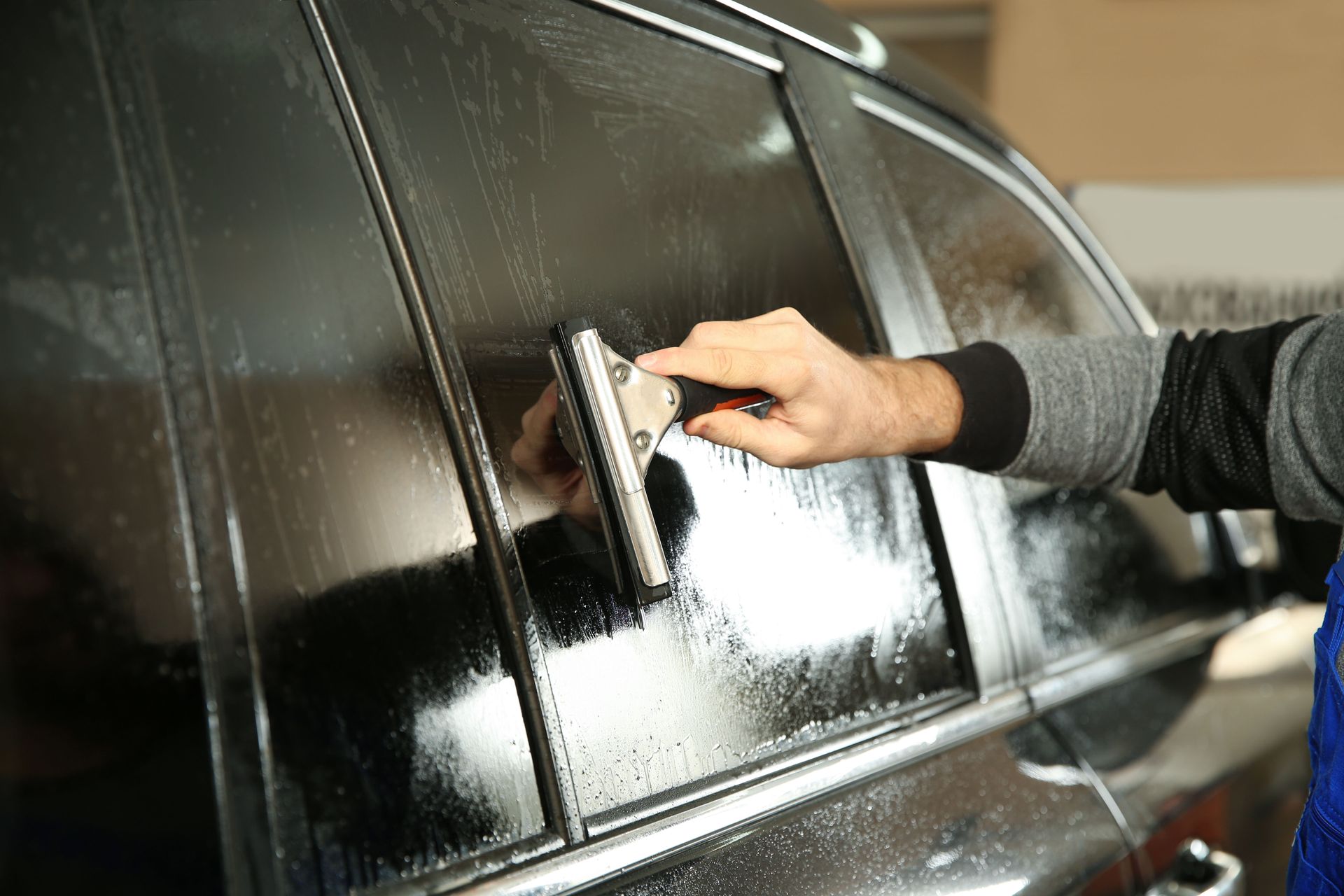
Proper installation demands comprehensive glass surface preparation inside a strictly controlled indoor environment. Technicians scrape away factory residues, road grit, and adhesive deposits using specialized slip solutions and surgical-grade squeegees. Ensuring completely sterile glass allows the film to anchor directly to the pane, preventing premature edge peeling, moisture pockets, or trapped dirt particles.
Applying Protective Films
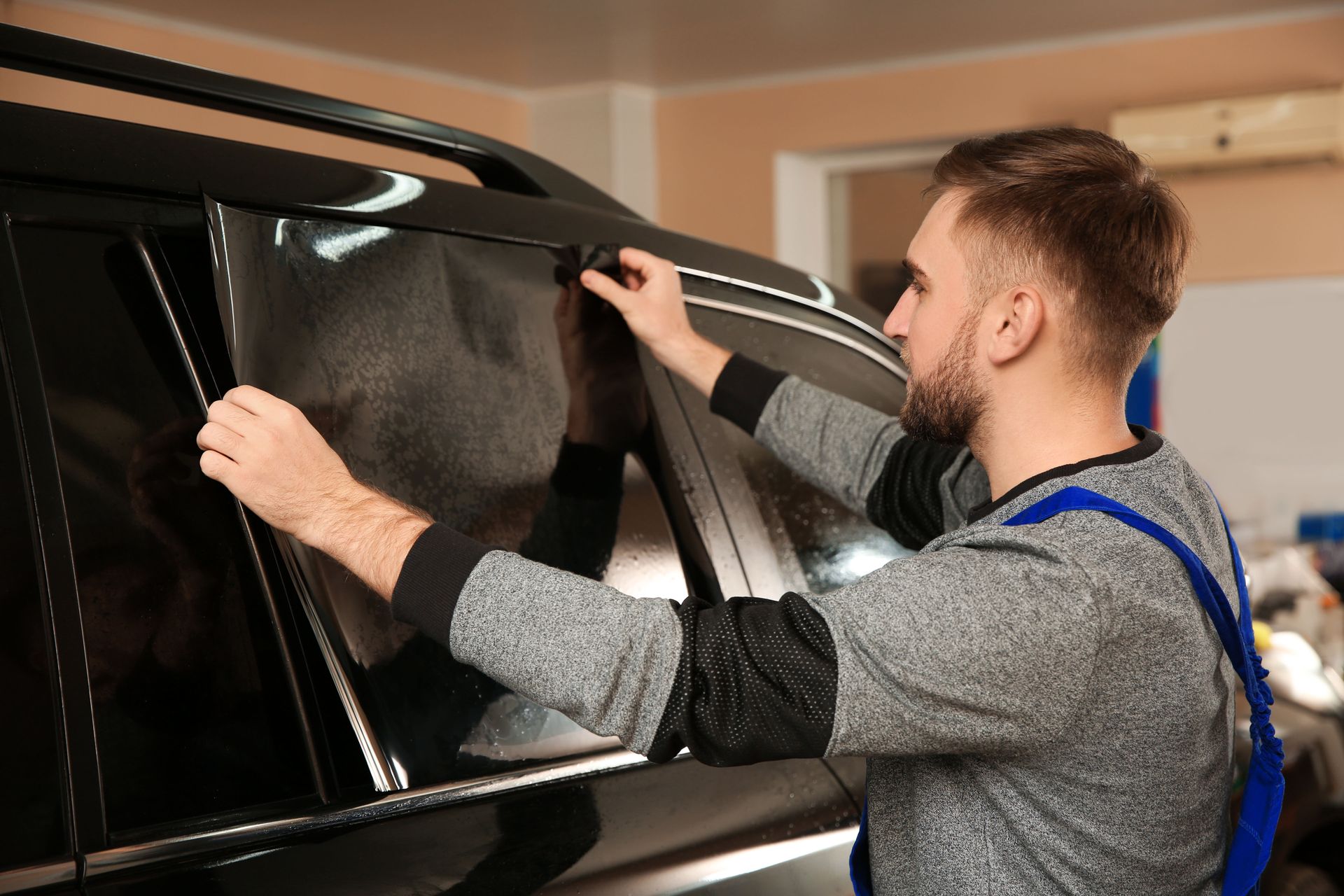
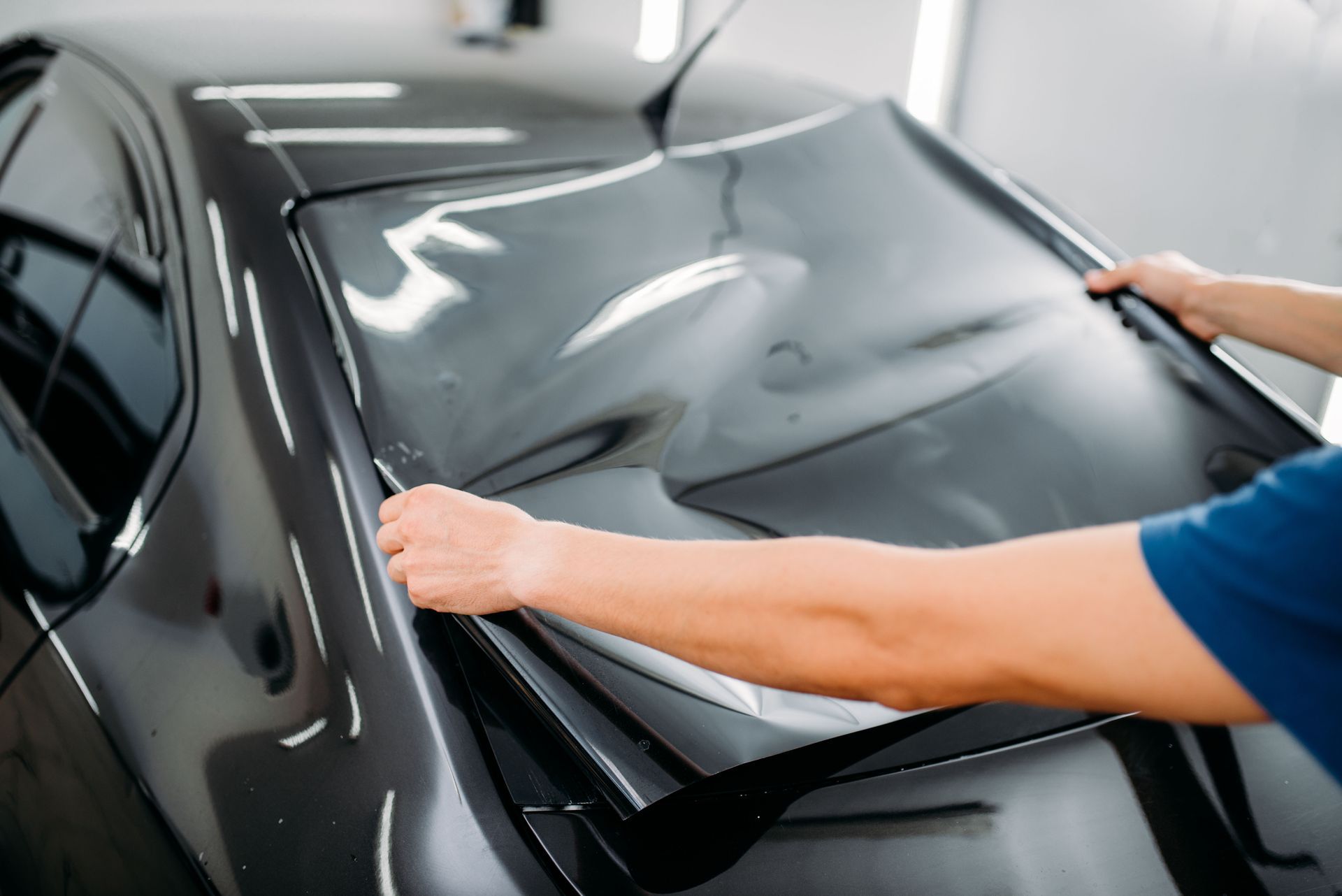
Professional installers hand-trim or computer-plot precise patterns before heat-shrinking the film to match the exterior curvature of each window pane. Technicians mount the pliable film against the interior glass surface, extracting slip solutions with calibrated pressure strokes to lock the adhesive system. Investing in expert car window tinting ensures smooth, bubble-free edges that align with vehicle window seals.
Although premium films require a higher initial expenditure than entry-level dyed alternatives, their operational lifespan delivers superior long-term financial returns. Durable non-metallic films never turn purple, blister, or degrade under harsh thermal cycles, eliminating the recurring costs of stripping and reapplication. For unmatched heat reduction, pristine optical clarity, and precision installation on every vehicle, schedule your upgrade with Shades of Gray Window Tinting.