November 20, 2026
Investing in an automotive PPF coating service has become one of the most effective strategies for drivers seeking to protect their vehicle while significantly enhancing everyday climate comfort. In regions characterized by high ambient temperatures and intense solar radiation, maintaining a comfortable vehicle interior presents an ongoing battle. While many motorists rely exclusively on active air conditioning to regulate cabin comfort, specialized exterior films operate directly at the primary boundary layer where solar heat first contacts the automobile. Modern protective films incorporate specialized polymers that reflect radiant energy before thermal heat can penetrate exterior body panels and warm the cabin. As automotive engineering moves toward greater energy efficiency and environmental sustainability, adopting these preventative surface technologies provides sustained aesthetic preservation alongside measurable thermal mitigation.
Understanding the Fundamentals of Protective Films
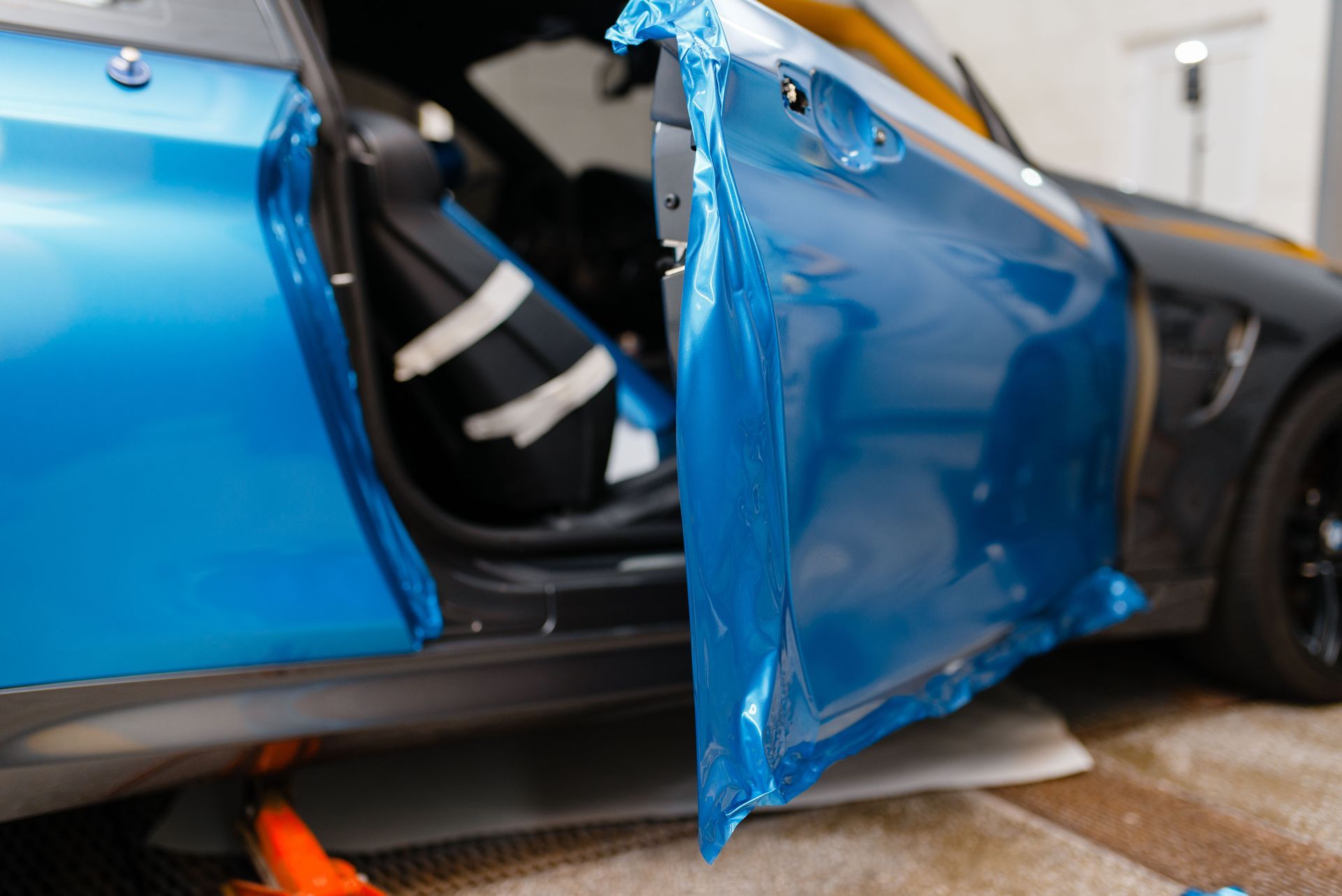
Paint Protection Film, commonly referred to as PPF, is a high-grade thermoplastic urethane film engineered to shield automotive surfaces from physical abrasion, ultraviolet degradation, and road debris. Originally formulated for military applications to protect helicopter rotor blades from particulate erosion, the core chemistry was subsequently refined for consumer automotive applications. A defining attribute of high-performance film is its elastomeric formulation, which grants the material self-healing capabilities. When exposed to environmental warmth or ambient sunlight, minor scratches and surface swirls automatically smooth out over time. This dynamic flexibility allows technicians at a PPF coating service to wrap complex contours seamlessly, shielding vulnerable clear coats while preserving factory depth and gloss. Because modern thermoplastic films remain optically transparent, they do not distort the vehicle’s original paint hue, metallic flake, or gloss.
Evaluating Film Formulations and Thermal Capabilities
The performance of an exterior film depends substantially on the caliber and multi-layer composition of the underlying polymer matrix. Standard commercial films offer basic defense against rock chips and minor scrapes, yet they possess limited thermal barriers. In contrast, advanced multi-layered films integrate active ultraviolet inhibitors and ceramic micro-compounds that specifically target thermal wavelengths. When vehicle owners consult an experienced PPF coating service, technicians can match film specifications to regional climates and driving habits. Premium urethane films also feature proprietary topcoats that repel chemical contaminants, eliminate discoloration, and prevent premature yellowing caused by continuous ultraviolet exposure. Specialty options such as matte finishes or tinted protective barriers provide further aesthetic flexibility without compromising structural or thermal integrity.
Comparing Protective Films with Traditional Coatings
Automotive owners frequently evaluate whether paint protection film, ceramic coatings, or conventional automotive waxes provide the best defense against environmental elements. Conventional carnauba waxes produce temporary surface shine and brief water beading, yet they offer zero impact resistance and deteriorate rapidly under elevated summer heat. Ceramic coatings provide superior hydrophobic gloss and chemical resistance, yet their rigid nanostructure lacks the physical thickness required to absorb stone chips or insulate sheet metal. While ceramic treatments deliver valuable surface slickness, choosing a specialized PPF coating service introduces a durable physical barrier that absorbs impact forces and restricts radiant heat penetration. By uniting physical impact resistance with solar deflection capabilities, modern urethane films establish an all-inclusive exterior shield that traditional waxes and standalone ceramic coatings cannot match.
Deflecting Solar Heat Through Advanced Polymers
The core mechanism allowing protective film to lower vehicle heat lies in selective solar reflection and infrared mitigation. Direct sunlight carries substantial thermal energy across ultraviolet, visible, and infrared wavelengths. When unfiltered sunlight strikes unprotected automotive paint, the dark primer and metallic panels absorb this radiant energy, creating a heat-sink effect that rapidly warms the vehicle. The specialized molecular matrix delivered by a professional PPF coating service deflects high-energy UV rays and disperses incoming solar energy across the surface membrane. By reflecting solar energy at the vehicle's outer perimeter, the film drastically restricts thermal absorption into underlying metal and carbon structures, maintaining a cooler base substrate throughout prolonged sun exposure.
Lowering Interior Temperatures and Climate Demands
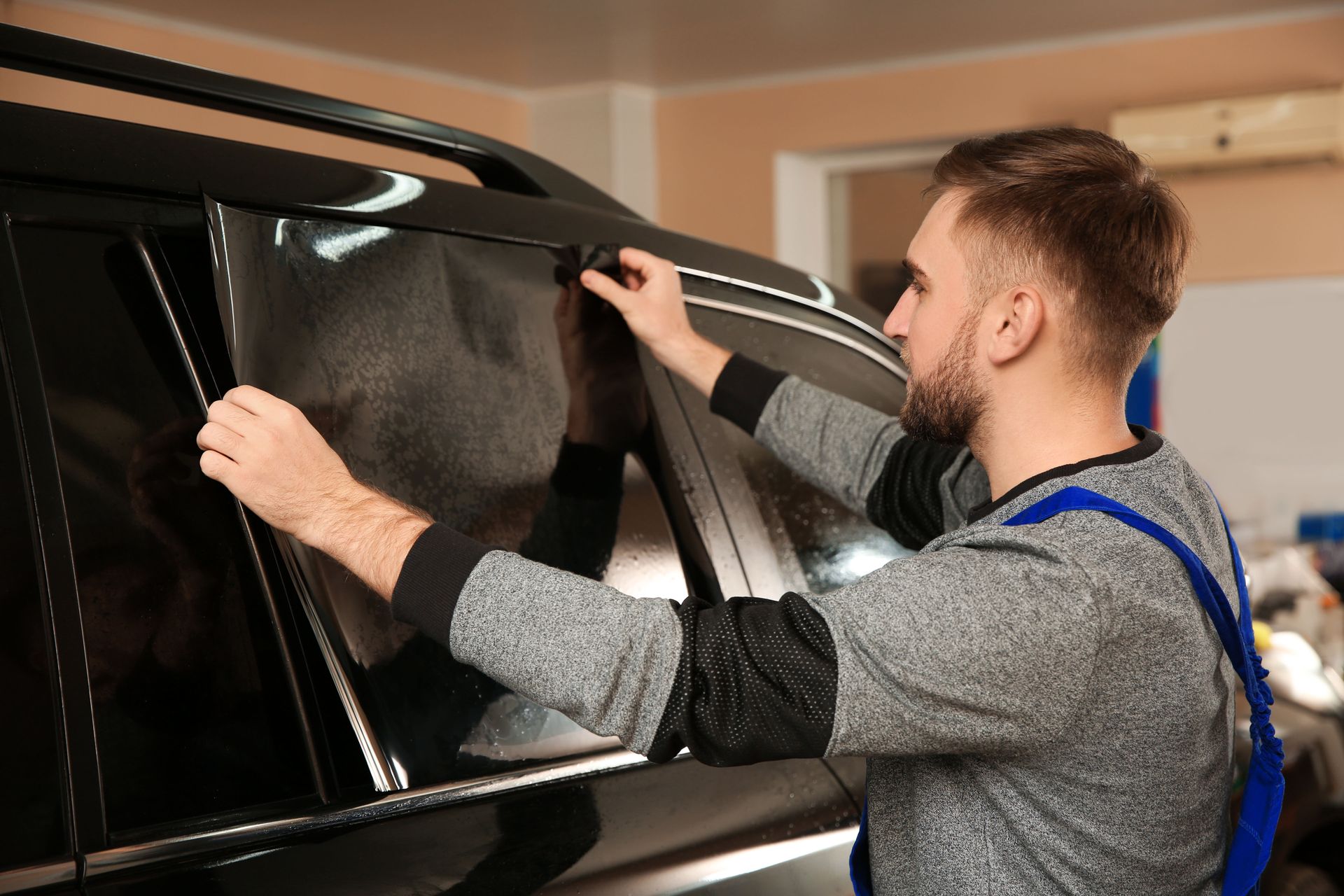
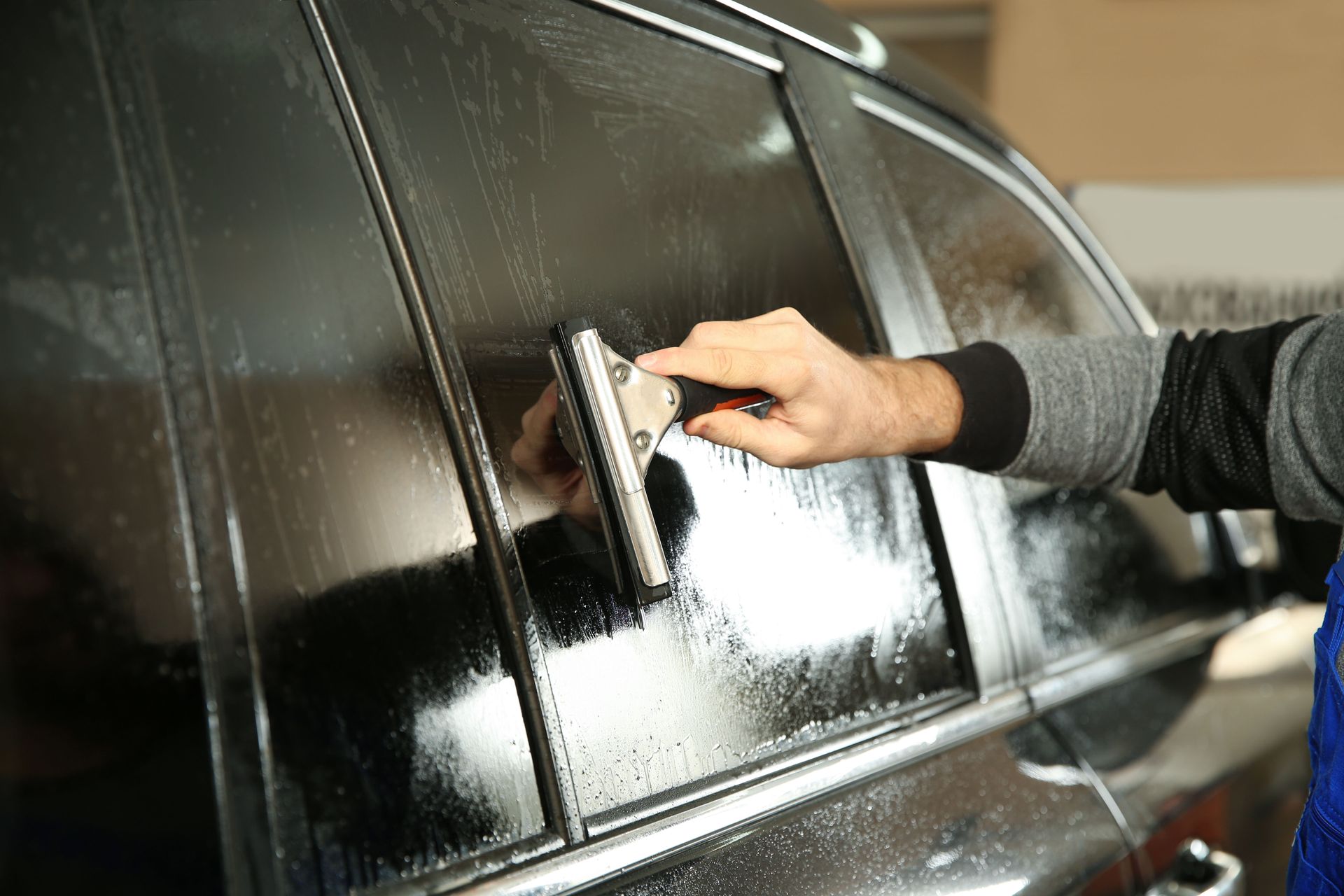
Restricting external thermal absorption yields immediate and noticeable improvements inside the vehicle cabin. When exterior roof and door panels absorb less radiant heat, thermal transfer through the chassis, headliner, and door cavities declines proportionately. This thermal barrier prevents the severe dashboard blistering, leather cracking, and interior air overheating that typically plague parked cars during peak summer months. Drivers frequently combine exterior films with automotive window films to construct a comprehensive thermal defense. According to Custom Tint Solutions, window tint can reduce temperatures in direct sunlight by as much as 9° Fahrenheit. When this cabin glass defense works in tandem with an exterior PPF coating service, the combined thermal reduction creates a significantly cooler interior, relieving pressure on automotive air conditioning units.
Boosting Fuel Efficiency and Electric Vehicle Range
A cooler cabin environment creates measurable economic and mechanical efficiencies during daily driving. In internal combustion vehicles, running the air conditioner at maximum capacity places an ongoing mechanical load on the engine, increasing fuel consumption and elevating operating temperatures during heavy stop-and-go traffic. Applying an advanced protective film reduces baseline cabin heat, enabling air conditioning compressors to cycle off sooner and maintain steady comfort at lower fan settings. For electric vehicle drivers, thermal management represents an even more vital priority. Because battery packs power cabin heating and air conditioning, heavy climate control usage reduces total driving range. Mitigating solar heat soak preserves usable kilowatt-hours for propulsion, optimizing battery health and extending travel distance between charging intervals.
Shielding Exterior Surfaces Against Environmental Hazards
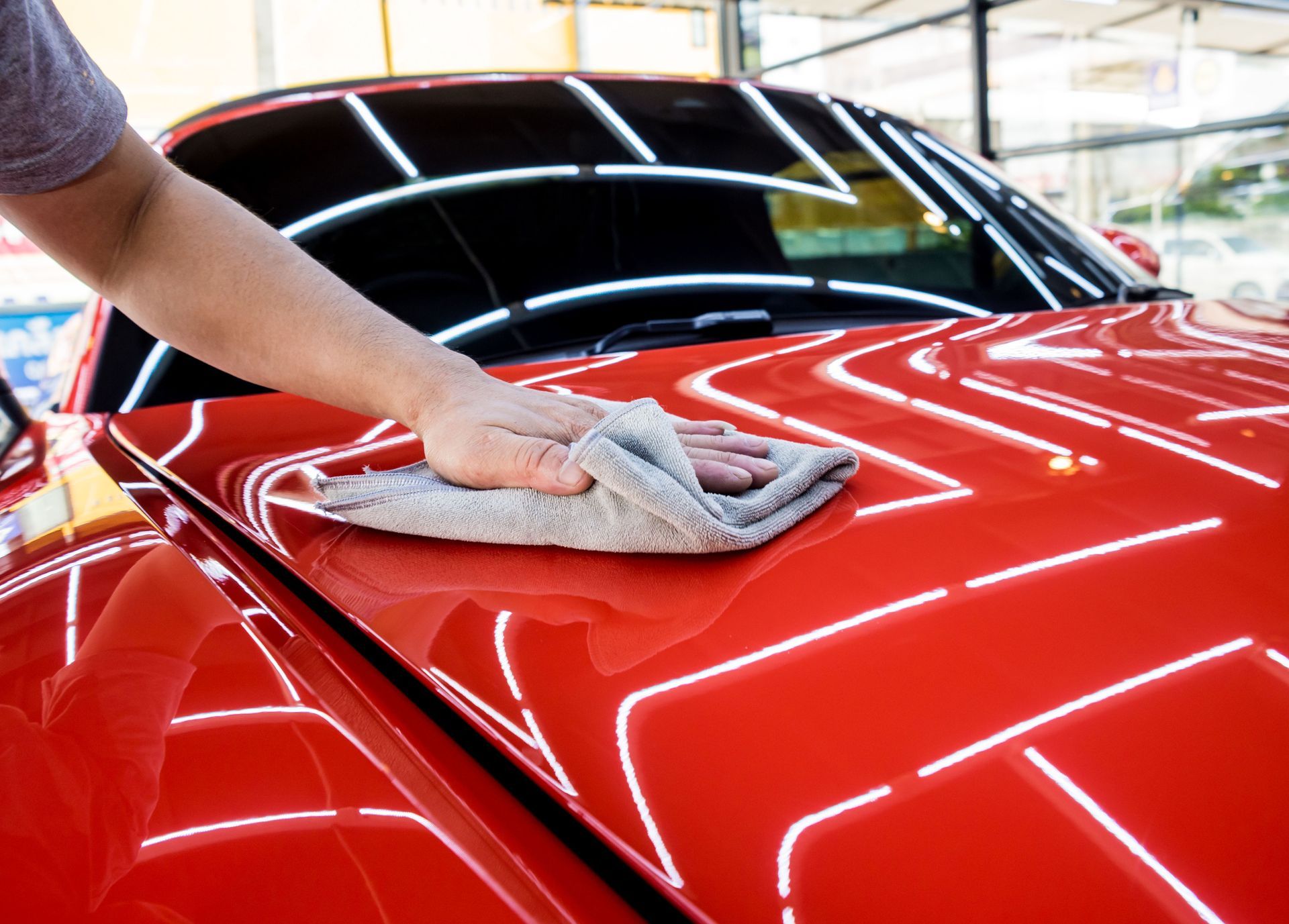
Beyond regulating cabin heat and deflecting infrared radiation, exterior films remain unmatched in defending vehicle panels against everyday environmental destruction. Modern roads expose automotive finishes to stone impacts, construction grit, road salts, insect acids, bird droppings, and industrial fallout. Left unprotected, these elements etch factory clear coats, initiate oxidation, and cause irreversible paint failure. A comprehensive PPF coating service places an impenetrable physical buffer over high-risk impact zones such as front bumpers, hoods, fenders, and side mirrors. The hydrophobic characteristics of the urethane surface prevent road grime and corrosive chemicals from adhering, allowing vehicle owners to clean their vehicles effortlessly without inducing wash-induced swirl marks.
Securing Flawless Results Through Professional Installation
Realizing the comprehensive aesthetic, physical, and thermal advantages of protective film demands meticulous craftsmanship during the installation phase. While amateur vehicle owners may attempt to apply pre-cut kits at home, achieving a clean, bubble-free, and distortion-free finish requires a controlled environment and seasoned expertise. Experienced technicians utilize computer-guided plotters to cut precise vehicle-specific templates, minimizing blade contact with vehicle paint and ensuring flawless edge alignment. Certified professionals thoroughly decontaminate, polish, and prepare every painted surface before application, ensuring durable adhesion that withstands years of highway speeds and harsh weather. Furthermore, professional installation includes robust manufacturer warranties that protect vehicle owners against film bubbling, peeling, or premature lifting.
Preserving Overall Value and Long-Term Vehicle Longevity
Preserving an automobile’s factory finish directly protects its resale valuation and overall ownership experience. Once a vehicle's original paint undergoes severe chipping, environmental staining, or ultraviolet clear coat failure, costly repainting and paint correction become unavoidable. Factory original paint can never be replicated completely, and resprayed panels frequently lower prospective appraisal values. Entrusting your vehicle to a premier PPF coating service safeguards structural and aesthetic integrity from day one, insulating sheet metal against scorching summer heat while preventing cosmetic degradation. To maximize both your vehicle's thermal comfort and exterior protection, contact Shades of Gray Window Tinting today to schedule a consultation and preserve your investment for years to come.